
Why Lab-Grown Diamond Prices Keep Falling, and What That Means for You
Lab grown diamond price has fallen year after year while natural prices have not. The industrial reasons, and how a sensible buyer should spend now.
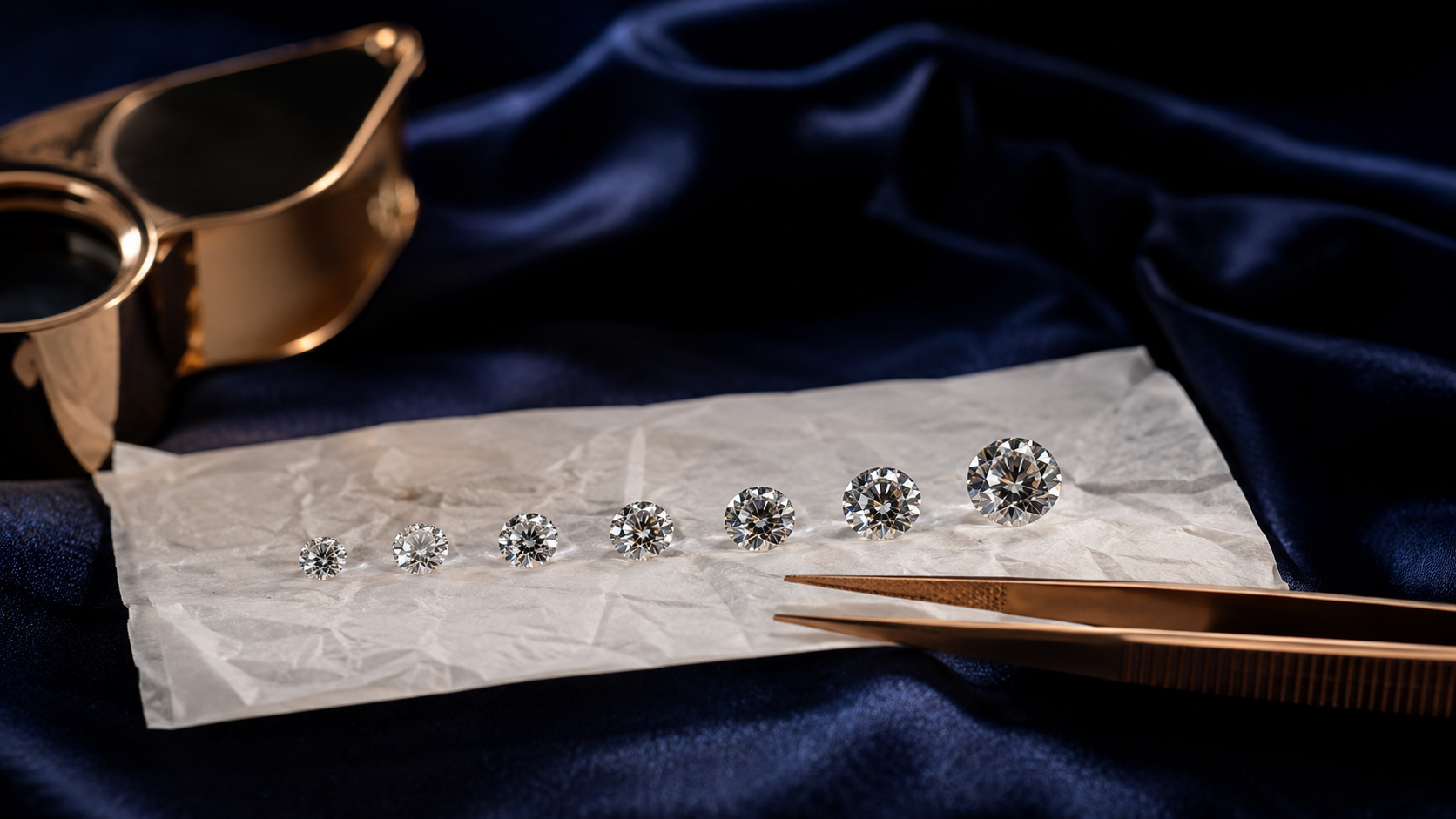
Anyone who has followed lab grown diamond price over the past decade has watched the same stone get cheaper almost every year. A one carat grown diamond that once cost close to its natural equivalent now costs a small fraction of it. Buyers sometimes read this as a warning sign. It is better understood as the normal behaviour of a manufactured product, and it has practical consequences for how you should buy.
Why natural prices behave differently
A natural diamond is a mined commodity. Supply is limited by geology and by the handful of companies that control the large mines. Costs of extraction rise over time as easy deposits are exhausted. Prices move, sometimes sharply, but there is a floor set by what it costs to get the stone out of the ground.
A grown diamond is an industrial product. Its cost is set by electricity, equipment, labour and the efficiency of the process. All of those improve with scale and experience. There is no geological floor.
What actually drove the fall
Better reactors. The chemical vapour deposition process that makes most gem-quality grown diamonds has improved steadily. Growth is faster, yields are higher and larger clean crystals are routine where they were once exceptional.
More producers. Diamond growing was once a handful of specialist firms. It is now a large industry, with production concentrated in China and India alongside older producers elsewhere. Competition between growers has done what competition usually does.
Cheaper cutting and grading. Grown rough is more predictable than mined rough, so cutting yields are higher. Laboratories have set up dedicated grown-diamond services, and the cost of a report on a grown stone is modest.
Separation from the natural market. For a while, grown diamonds were priced as a discount to natural. As the two markets separated, grown prices found their own level, based on cost of production rather than on what a mined stone would fetch.
Will it continue
Nobody can promise a direction, but the pattern of every manufactured good suggests that prices settle at a modest margin above production cost and then drift down slowly as the process improves. There is no reason to expect grown diamonds to rise in price, and every reason to expect that what you buy today will be cheaper to replace in five years.
What a falling lab grown diamond price means when you buy
Do not buy a grown diamond as an asset. It is not one, and it never was. Its resale value is low and falling. The same is largely true of natural diamonds at retail, but the case is starker here.
Buy the stone for the object. A grown diamond is a real diamond that will look the same in forty years. If what you want is the look, the hardness and the meaning you attach to it, it delivers all three.
Spend the saving on what holds value. Gold and platinum are worth their weight regardless of fashion. Skilled bench work is worth what it costs to reproduce. If a budget once split evenly between stone and setting, it can now lean towards the setting, and the piece will be better for it.
Buy better cut, not just bigger. Because size has become cheap, the temptation is to maximise carat weight. A well-proportioned stone of a size that suits the hand will always look better than a large, deep, poorly cut one.
Insist on a report and an inscription. Falling prices bring in sellers with lower standards. A report from a recognised laboratory, matched to a girdle inscription, is the minimum.
Think about insurance replacement value, not purchase price. An insurer will replace at today's market rate, which may be below what you paid. Review the sum insured every couple of years.
The honest summary
Lab-grown diamonds are a very good product at a price that reflects what they cost to make. That is the sensible way to think about them. Buyers who understand this get a fine stone and a well-made setting for a fair sum and are not surprised later.
Book a complimentary design consultation at the C'Garden atelier, The MET Corporate Towers, Kuala Lumpur: 010-766 7448 · hq@cgarden.com.my
C'Garden is an independent bespoke jeweller in Kuala Lumpur. We are not affiliated with, endorsed by, sponsored by or certified by any organisation, laboratory or brand named in this article. Third-party names are used only to refer factually to those organisations and their published standards. All text and imagery in this article is original work created by C'Garden.
Reference
Gemological Institute of America. (n.d.). Laboratory-grown diamonds. GIA. https://www.gia.edu/laboratory-grown-diamond
All journal entries